Buying a primary home is often a family's largest single expenditure — yet it's also the decision most commonly made on gut feeling. In U.S. real estate, the most common traps for primary-residence buyers concentrate around four areas: process, judgment, cost, and resale. Each can cost the buyer significant money. Here is a breakdown of all ten traps.
Traps 1–3: Process and Mindset
Trap 1: Inadequate loan pre-approval. Many buyers start house hunting without understanding what they can actually afford — either losing out in competition due to insufficient pre-approval, or overestimating their capacity and buying the wrong home. A solid pre-approval (not just pre-qualification) verifies income, liabilities, and credit to establish the down payment and maximum monthly payment.
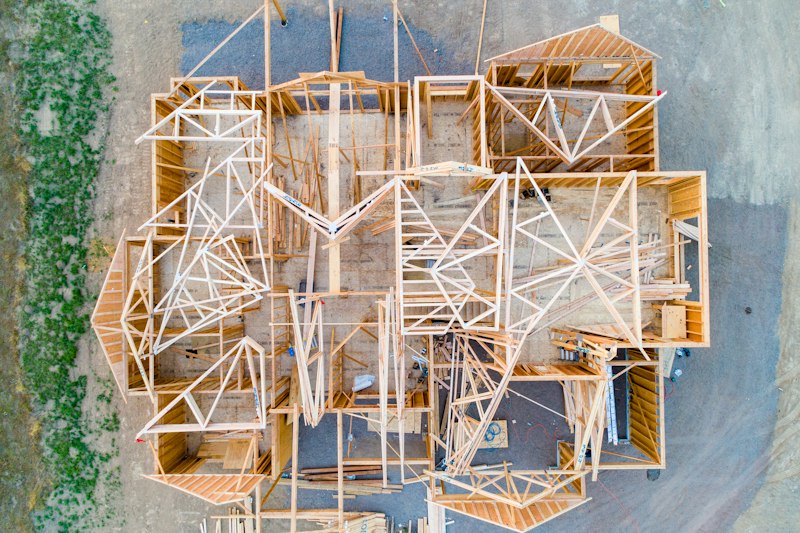
Trap 2: Waiving inspection to win the bid. In competitive markets like Seattle and Bellevue, skipping a professional inspection to improve your offer means betting all structural, roofing, and foundation risks on luck. The hundreds of dollars saved can become tens of thousands in post-closing repair bills.
Trap 3: Being dazzled by surface finishes. Renovated floors, new countertops, and fresh paint frequently conceal the real issues that determine value. Buyers should look past the surface to focus on home age, roof lifespan, electrical/plumbing systems, and foundation condition.
Traps 4–6: Judgment Errors
Trap 4: Ignoring location and commute. The house can be renovated; location and commute cannot be changed. A property near employment centers like Redmond and Bellevue's tech corridor provides far more long-term stability than an isolated beautiful house in a remote area.
Trap 5: Buying with emotion rather than reason. Love at first sight causes people to actively ignore defects, turning their largest investment into an impulse purchase. Rational buyers should base decisions on comparable sales, location analysis, and holding costs.
Trap 6: Blindly favoring new homes. Paying high premiums for new homes often means buying in remote locations. New homes have high structural value proportions and low land value proportions — combined with title reports full of restrictive covenants, they generally appreciate slower than well-located resale homes.
Traps 7–9: Costs and Contract
Trap 7: Underestimating carrying costs. Beyond the mortgage, property tax (~1% of value in Washington State), homeowner's insurance, HOA dues, and routine maintenance accumulate substantially over time. Annual operating and maintenance costs for a standard single-family home are not trivial.
Trap 8: Ignoring contract contingencies. Inspection, financing, and appraisal contingencies, if handled improperly, can leave your earnest money unrecoverable. Contingencies are the buyer's seatbelt — clarify every clause before signing.
Trap 9: Excessive leverage. Monthly payment-to-income ratios that are too high strip a household of financial flexibility. Any income shock or job loss can trigger default risk.
Trap 10: Ignoring Resale
Trap 10: Never considering future resale. Even the most beloved home will eventually be sold — low-liquidity properties have high exit costs. Unusual layouts, obscure locations, proximity to high-voltage lines or rail, and properties with extensive restrictive covenants are easy to buy and hard to sell. At the time of purchase, think clearly about who will buy it from you someday.
Summary
For Chinese-American primary-residence buyers in the U.S.: avoiding these ten traps requires process, rationality, and preparation — not luck. Treat the home purchase as a rational project: secure solid pre-approval first, insist on professional inspection, prioritize location and commute, factor property taxes, insurance, HOA, and maintenance into long-term budgets, control your payment-to-income ratio, and assess future resale liquidity at the time of purchase. Only then does your family's largest expenditure become both a comfortable home and a long-term value-holding asset.