Behind Airbnb's high gross revenue is high operating intensity and high hidden costs: cleaning, maintenance, review management, regulatory risk, and fierce competition. A trendy Airbnb in Phoenix, purchased for $700K, generated $130K net profit in year one, $80K in year two, lost $30K in year three, then converted to long-term rental. The core conclusion from four years as a Superhost: Airbnb is more like a business requiring heavy time and energy investment than passive investing — returns may not beat long-term rentals.
Short-Term Rentals Are a Business, Not Passive Investing
Doing Airbnb isn't real estate investing — it's running a business, and a careless mistake can mean losing money. Understanding this is the foundation for mastering the four frameworks of short-term rental operation: maximize revenue, minimize risk, minimize cost, and optimize operations. These four dimensions together form a complete methodology from property selection to exit.
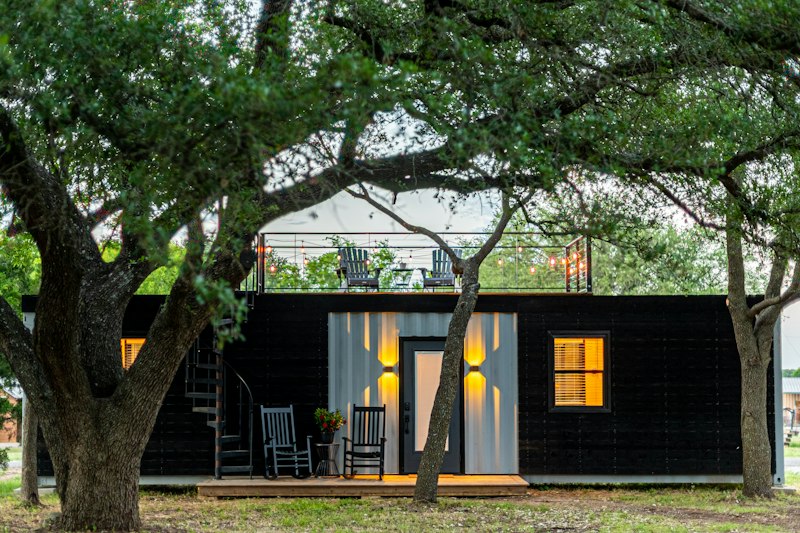
The Phoenix case above is representative: it was the first Airbnb in the area with upscale 'Instagram-worthy' decor, a pool, and mini golf — an instant hit on launch. But even as the best-performing property locally, profits over three years fell from $130K to a $30K loss before converting to long-term rental. The rapid profit decay is a realistic portrait of the business nature of short-term rentals.
Revenue Maximization: Location and Differentiation Set the Ceiling
The first principle is precisely targeting your audience. If doing short-term rentals in Seattle targeting tourists, don't pick the Eastside — tourists don't go there. For vacation renters, further segment between local weekend trips and long-distance stays and furnish accordingly: leisure-focused units showcase a hot tub or mini golf; business-focused units need high-speed internet and a proper desk setup.
Also, once you lock in a property management company, don't switch easily — all future bookings are tied to that company's account; switching managers resets your booking history to zero. You must make your property distinctive. Airbnb is a winner-takes-all market — unique properties command outrageous rent while ordinary properties lose money month after month. Additionally, cities with no entry barriers face extreme competition; Phoenix has no cap on STR licenses, leading to waves of copycat competitors. Finally, not every property can do short-term rentals — always check the title report before purchase to confirm STR is allowed, and understand these restrictions run with the land and are permanent.
Key Data
| Metric | Value/Situation | Notes |
|---|---|---|
| Phoenix case purchase price | $700K | Trendy Airbnb |
| Year 1 net profit | $130K | Upscale decor — instant hit |
| Year 2 net profit | $80K | Intensifying competition |
| Year 3 | -$30K loss | Converted to long-term rental |
| Soft furnishing standard | At least $15/sq ft | 2,000 sq ft = ~$30K |
| Seattle summer-to-winter rental differential | Summer 5x+ winter | Large seasonal variance |
| Advance booking window | Down from 2 months to 1 month | Airbnb earnings data |
Risk Minimization and Cost Minimization
Five risk-layer points: Airbnb's platform strategy is constantly adding supply to push down unit prices — landlord competition will only intensify and income decline further; always plan your exit — evaluate local long-term rental market and potential price discount before either converting or selling; factor in economic recession's impact on travel spending; set clear stop-loss thresholds, because advance booking windows have already collapsed from 2 months to 1 month, making next-month bookings hard to predict; when getting homeowners insurance, always add an STR Rider — many brokers don't understand STRs and will configure the wrong coverage.
Two key cost points: don't underestimate soft furnishings — quality Airbnb soft furnishings cost at least $15/sq ft; a 2,000 sq ft home is $30K, and this money serves aesthetics not durability, because even the best furniture won't survive past year three under STR guest abuse, and if converted to long-term rental it's all wasted; if self-managing the STR, you can achieve both more detailed operations and considerable tax benefits — the key is 'active management.'
Five Points for Operational Excellence
Five hard-earned lessons on operations: don't fantasize about staying in the property yourself, because your most-desired peak season is exactly when rents are highest and you'd least want to give up the income — never mix business with personal preference; income projections must account for seasonal variance; Seattle's peak monthly rent is 5x+ winter, making summer market research wildly misleading; manage utility costs carefully — firmly keep heat/AC off when no guests, which requires a smartphone-controllable smart thermostat.
Also, don't skimp on software — STRs typically need three types: dynamic pricing software (e.g., PriceLabs) to track competitors in real time; property management software (PMS) to centrally manage bookings and multi-platform calendars to avoid double bookings; a digital guidebook explaining appliance use and checkout times. Finally, find a reliable local handyman — STR repair is extremely time-sensitive. A long-term rental with a broken shower can wait 2 days to fix; an STR must resolve it within hours. This person is among your most important 'employees' and should be well-compensated.
Summary
For Seattle Chinese-American hosts considering Airbnb, first mentally treat it as a business, not a set-it-and-forget-it passive investment. Before deciding, rigorously evaluate against all four frameworks: revenue maximization, risk minimization, cost minimization, and operational excellence — especially verify that the title report permits short-term rentals, whether local STR licensing exists, and the feasibility of long-term rental conversion or resale as exit options.
More importantly, set clear stop-loss and cash-flow thresholds. High gross revenue very easily masks massive hidden costs. The Phoenix case — profits collapsing from $130K to a loss in three years — reminds investors: under fierce competition and regulatory uncertainty, STR returns may not beat long-term rentals. Only by running it as a business with operational excellence is there a real chance of making money.