Newer homes (roughly 10–30 years old) feature modern floor plans, code-compliant materials, and strong value — but they are far from inherently safe. Across five dimensions — exterior cladding, water supply pipes, electrical wiring, roofs, and double-pane windows — lurk serious defects that can leave buyers with regret. Many are directly related to Seattle's rainy, humid climate. Always hire a professional home inspector for a thorough check before buying.
Newer Homes' Strengths and Blind Spots
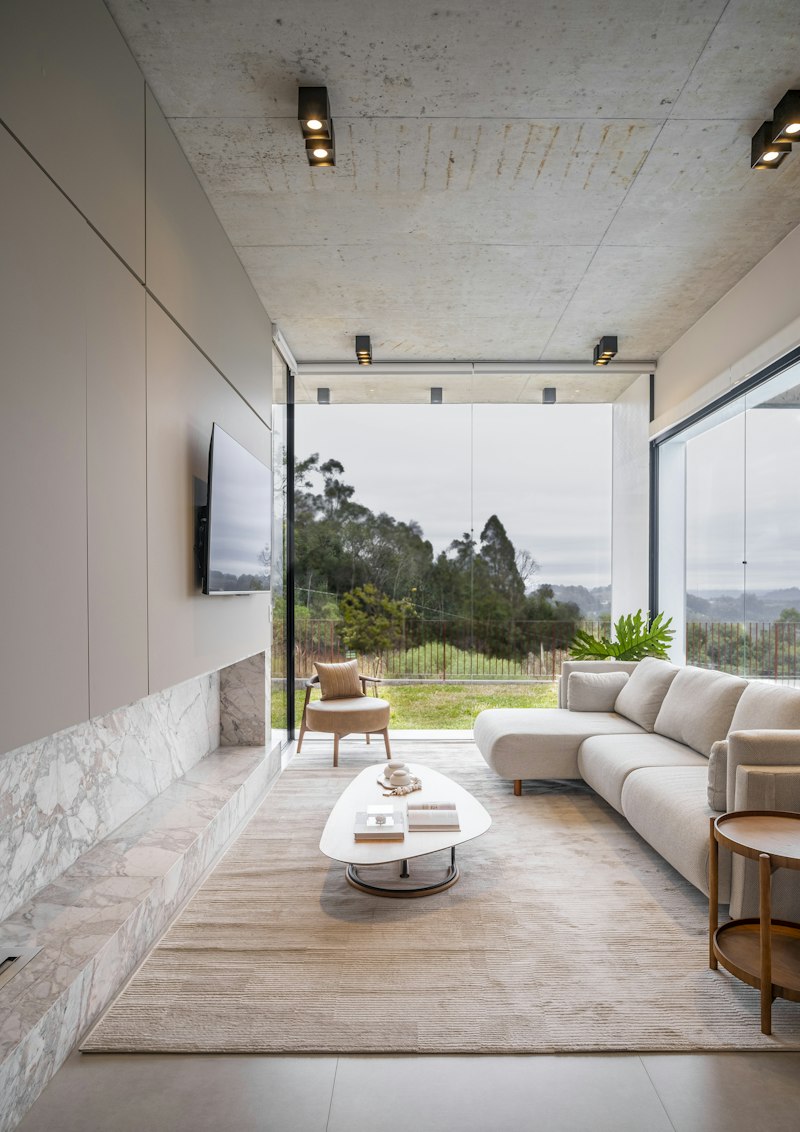
Newer homes are popular for good reasons: modern interior layouts, better materials meeting current codes, often developer-built in master-planned communities with parks and amenities, originally suburban but now in established areas as the city expanded, and substantially cheaper than brand-new homes nearby.
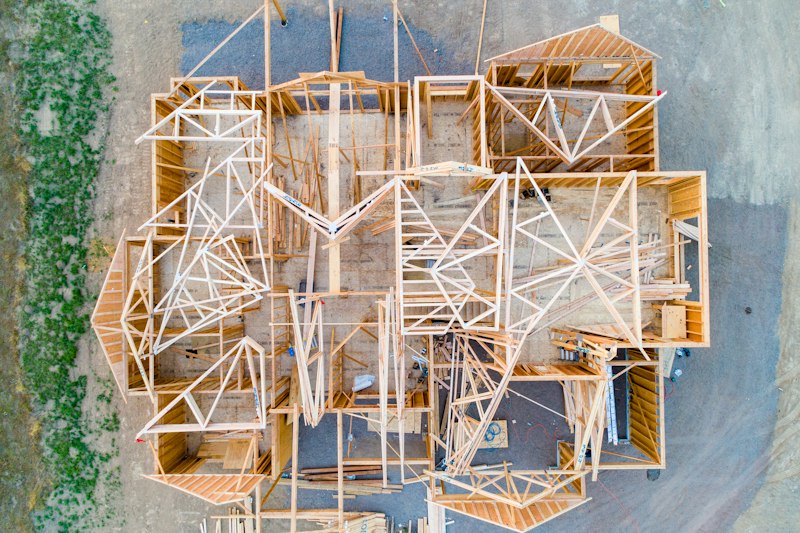
But a polished exterior doesn't guarantee solid construction. Real risks hide in five easy-to-overlook dimensions — exterior cladding, pipes, wiring, and other concealed systems that require professional knowledge to identify. The naked eye simply can't catch them.
Defect 1: Problem Siding — LP Siding and EIFS
Between 1985 and 2000, huge numbers of American homes used problem-prone LP siding — it looks like modern fiber cement but is actually embossed OSB, prone to rotting, mold, bubbling, and delamination. The manufacturer lost a 1995 national class-action lawsuit and paid $1.2 billion in damages. In Seattle's humid climate this siding is especially vulnerable. Replacing a 2,000 sq ft home with James Hardie fiber cement costs approximately $30,000–$40,000.
From 2000 to 2010, some luxury homes used synthetic EIFS stucco — foam material that looks like traditional stucco but seals too tightly, trapping moisture behind it and causing sheathing to mold. This has generated numerous lawsuits. In Seattle's rainy climate, exterior waterproofing and breathability are critical.
| Siding Type | Problem Era | Risk |
|---|---|---|
| LP siding | 1985–2000 | Rotting/mold; $1.2B class-action 1995 |
| EIFS synthetic stucco | 2000–2010 | Over-sealed; sheathing molds |
| James Hardie fiber cement | Current standard | Reliable (~$30–40K replacement) |
Defect 2: Water Supply Pipes — Three Generations
U.S. home water supply pipes went through three phases: galvanized iron (pre-1960), copper, then PEX (widely adopted from 2000). PEX became popular for cost, flexibility, and freeze-resistance — but early PEX had BPA or chemical leaching risks.
For homes built around 2000, copper is actually more reassuring — Seattle doesn't get cold enough to worry about copper freezing. Post-2010 homes no longer use BPA-containing PEX processes, so risk has dropped substantially. Key judgments: galvanized iron corrodes (flag it); early ~2000 PEX has leaching risk; copper and post-2010 PEX are relatively reliable.
Defect 3: Aluminum and CCA Wiring
In the 1960s–70s, builders briefly used aluminum single-strand wire. Around 2000, some builders used aluminum on high-draw circuits to cut costs — aluminum oxidizes, causing connections to heat and potentially ignite, requiring special compatible connectors. Look for 'AL' markings in the electrical panel, especially for kitchen, HVAC, washer, and dryer circuits.
Around 2010, some cut-rate builders switched to copper-clad aluminum (CCA) wire — copper-looking outside but aluminum at core. Identifiable by 'CCA' markings on the wire jacket. CCA wiring is a time bomb; full replacement is recommended. Heating connections can cause fires — always have the inspector open the panel.
Defect 4: Roof Lifespan and Replacement Motivation
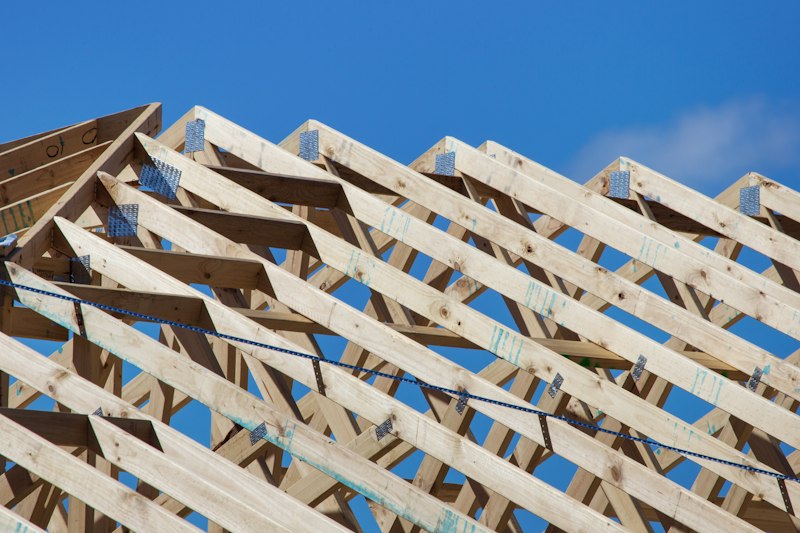
Asphalt shingles rated at 20, 30, or 50 years achieve only about 15, 20, and 40 years respectively in Seattle's climate. So homes 20–30 years old require close roof evaluation.
Watch for seller motivation behind a roof replacement: was it replaced because it was due, leaking, or to boost listing price? Sale-motivated replacements are often done cheaply, leaving hidden issues. If the seller says the roof is new, ask for a transferable warranty. Best case: replaced 3 years ago for personal use. Roof replacement costs tens of thousands — one of the highest-cost potential defects.
| Rated Lifespan | Seattle Actual | Key Assessment |
|---|---|---|
| 20 years | ~15 years | Granule loss, cracks, edges |
| 30 years | ~20 years | Replacement motivation, warranty |
| 50 years | ~40 years | Owner-replaced more reliable |
Defect 5: Double-Pane Windows — A Window into Build Quality
Double-pane windows became standard from 1990. High-quality units last 25–30 years; low-quality ones fail in 10–20 years. Counting the percentage of fogged-up windows gives a clear read on whether the builder cut corners or used quality materials — a clever 'big picture from small details' method that indirectly reveals the builder's overall integrity better than any single component.
Summary
For Seattle's Chinese-American buyers, newer homes offer strong value but harbor serious potential defects in exterior cladding, plumbing, wiring, roofing, and windows — most invisible without professional knowledge.
Always hire a professional inspector (~$500–800). Focus on exterior material (LP siding and EIFS), wiring markings (AL and CCA), roof remaining lifespan and warranty, and the percentage of fogged windows. Pay extra attention to drainage and waterproofing in Seattle's humid climate. These defects often cost far more than the apparent price discount — treating inspection as a necessary investment, not a cost to save, is the first rule for buying newer homes without regrets.