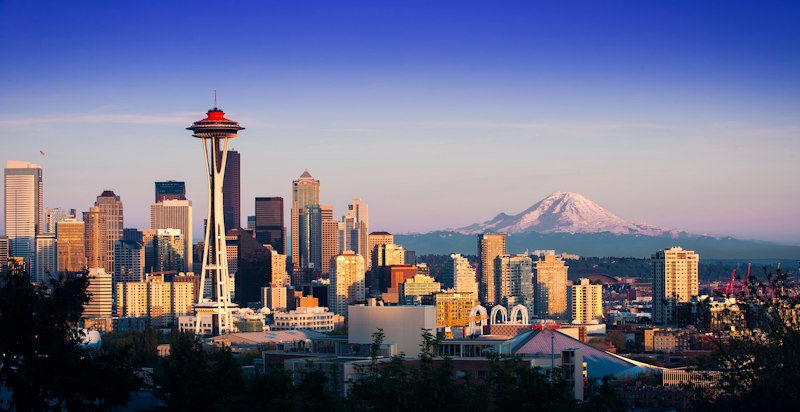

AI and tech layoffs' impact on Seattle and Bay Area home prices is highly structural — concentrated in the mid-to-high price tiers heavily dependent on tech salaries, especially entry-level condos and starter homes. The high end is relatively resilient, supported by top AI talent; the low end is less affected due to more diverse buyer composition. The overall market shows clear price-tier bifurcation, with employment confidence suppressing transaction volume more than rates.
Three Forces Restructuring Tech Homebuying Demand
AI tools are transforming 'coding' from a production-line activity requiring many junior roles into a model of a few senior engineers leading with AI agents. The result: entry-level positions sharply declining, senior roles bifurcating, and top AI talent compensation rising — three forces transmitting to home prices from different directions.
First force: junior software engineer layoffs directly contract demand — job cuts cause offer-to-rent conversions and fewer first-time buyers, pressuring starter-home volume and prices in core and secondary locations. Second: senior engineer reallocation drives structural rotation. Third: top AI talent compensation rising provides a floor for high-end transactions.
Entry-Level Condos Hit Hardest
Most impacted: entry-level condos and 1–2 bedroom townhomes near downtown and school districts, typically bought by people with limited down payments and higher debt-to-income ratios. In Seattle, these properties overlap with high HOA, noise, or less desirable terrain. In the Bay Area, San Francisco downtown and some South Bay condo segments face the triple squeeze of renter-to-buyer stagnation, high HOA fees, and rising insurance costs.
Relatively resilient: Eastside (Bellevue, Kirkland, Redmond) 3-bed single-family homes with strong school districts and commute access, and quality inventory in capital-driven communities like Mercer Island. Employment confidence contraction suppresses entry-level volume more directly than rates.
High End: Thin Volume, Hard Prices
Top AI talent's cash and equity are highly concentrated at leading tech companies and cutting-edge AI firms, with frequent signing bonuses and equity refresh. Their buying preferences concentrate in scarce combinations in core locations: Bay Area Peninsula walk-to-startup or research-core single-family homes, small lots with ADUs for offices or labs, within 1–3 miles of Mountain View, Palo Alto, Menlo Park; in Seattle, waterfront homes on Lake Washington, Mercer Island, Medina, and west Bellevue west of I-405.
This group especially values privacy and security, power and network redundancy (garage 240V, backup power, symmetric gigabit), and flexible space for home offices or prototype workshops. Result: Seattle's $2M+ and Bay Area's $3M+ high end forms a 'thin-volume, hard-price' floor, with quality resale homes offering little negotiating room.
Seattle More Resilient, Bay Area More Elastic
Structural differences determine each market's price elasticity and resilience. Seattle has high headquarters density (Microsoft, Amazon, etc.), stable large-company economics, more balanced stock-to-cash flow ratios, and with RTO policies tightening and bridge/highway construction periods, properties near bridges, rail, and campuses benefit noticeably. The Bay Area has a stronger VC-to-IPO-to-startup-again flywheel — more liquidity and wealth-effect elasticity, but more volatility too. AI campus clustering along 101 and 280 corridors makes Peninsula core locations popular again.
Supply side: Seattle has more single-family home inventory and slow turnover, limited supply elasticity, with short-term additions concentrated in multifamily and townhomes. Bay Area's high density plus regulations like CEQA raise the cost of new supply, making long-term gaps harder to close. Cost side: California insurance availability and premium uncertainty are higher, with older condo HOA special assessments more common. Overall: Bay Area sees faster up-and-down cycles driven by news flow; Seattle trends steadier with slower bull/bear patterns and more pronounced structural bifurcation.
Summary
For Seattle and Bay Area Chinese-American buyers: focus on 'A-tier' targets with all three of location, school district, and commute, prioritizing budget on location over interior newness. Those in transition or early career should consider small single-family or townhome within walking distance to elementary school in Bellevue or Kirkland school districts, avoiding high-HOA condos. Senior and management-level buyers should anchor on commute radius and school continuity first.
Sellers holding high-HOA, older, hard-to-insure condo assets should optimize quickly toward more liquid 3-bed single-family homes. Quality properties should preemptively upgrade network and power, do roof and drainage checkups, and install smart security to attract high-end buyers. In a market where employment confidence drives volume, recognizing price-tier bifurcation matters more than betting on overall appreciation or decline.