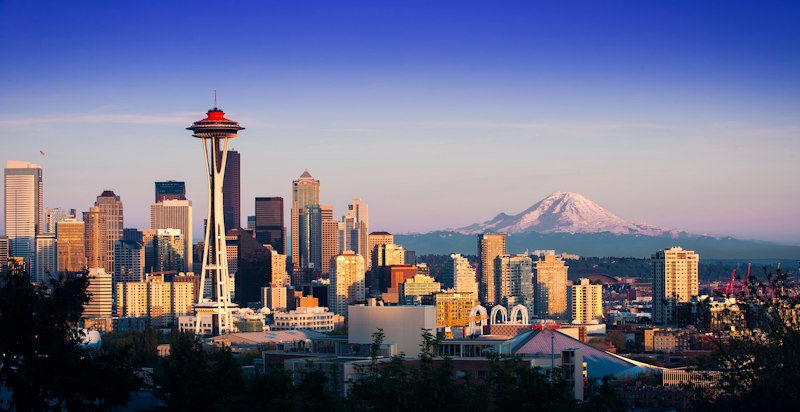

California wildfires are driving some population and capital outflows by raising insurance costs and living risks — and climate-safe, disaster-sparse Seattle is becoming one of the potential beneficiaries of this risk-averse migration. From a real estate perspective, every major climate disaster quietly redirects population and capital flows.
The Real Estate Logic Behind Climate Disasters
At the start of 2025, Los Angeles wildfires spread rapidly in strong winds. By January 8, approximately 150,000 residents had been forced to evacuate and over 1,000 homes were destroyed — the Palisades Fire alone burned ~15,000 acres, affecting luxury neighborhoods in Malibu and Santa Monica. The news showed flames and ruins, but at the real estate level, this disaster triggered deep changes in the insurance system and population migration.
California's Insurance Crisis
Frequent wildfires have directly raised California home insurance costs. Since 2022, insurers have declined to underwrite approximately 15% of California homes due to fire risk; California was forced to launch the FAIR Plan — government-backstop insurance that is more expensive and less comprehensive. California's insurance regulator recently approved insurer price increases; State Farm and others raised California premiums ~40%, yet insurers are still losing money and pulling back, causing large numbers of homeowners to be rejected at renewal.
Three Categories of Affected Homeowners
Fire-damaged homes fall into three categories. The first — those with normal commercial insurance — will likely receive payouts and can choose to rebuild or take the payout and relocate. Most won't rebuild in the same fire-risk location since re-insurance there is nearly impossible. The second — those on the FAIR Plan — face more uncertainty; there are precedents of claim denials and lawsuits, and FAIR Plan deficits may ultimately be shared by all California residents. The third — those with no insurance — face the greatest losses: homes and belongings gone with no compensation.
Risk-Averse Outmigration
When residential safety becomes a priority, climate-safe regions with low disaster rates become risk-averse destinations. This is migration by voting with one's feet. Notably, California homeowners who receive insurance payouts tend to prefer staying on the Pacific Coast in regions with similar political atmospheres and natural scenery — Seattle is one of their top choices. These arrivals often bring substantial capital, and buying a home is typically the first thing they do.
Seattle's Hidden Advantage
Seattle's mild climate, few extreme weather events, and wildfire risk far lower than California's — this relative safety is becoming a hidden competitive advantage as climate risk rises. Thanks to climate warming, Seattle's number of winter sunny days has grown approximately 1,250% over the past 14 years, further reducing concerns about its rainy reputation. In fact, Seattle's net population inflows over the past two years have come primarily from California. For people who have experienced wildfires, a low-disaster, high-rainfall city is actually more reassuring.
Summary
Climate risk is becoming a new variable in homebuying and relocation decisions. Under California's wildfires, climate-safe Seattle may indeed be one of the potential beneficiaries. For Seattle's Chinese-American buyers and investors, factor climate risk and insurance availability into property selection criteria; focus on core areas absorbing California-outflow demand. For those still holding California high-risk properties, evaluate insurance renewal feasibility and asset reallocation options early — to avoid passively falling into a situation where insurance is unavailable and the property is hard to sell.