
With the same $1 million, investing in a core-area 'jade home' versus several peripheral 'cabbage homes' can produce total return differences of several times to tenfold over a few years. The reason: investment returns depend on cash flow and appreciation elasticity, while premium core homes typically have low rental yields and limited elasticity — they're not necessarily the most profitable investment targets.
Jade Homes vs. Cabbage Homes
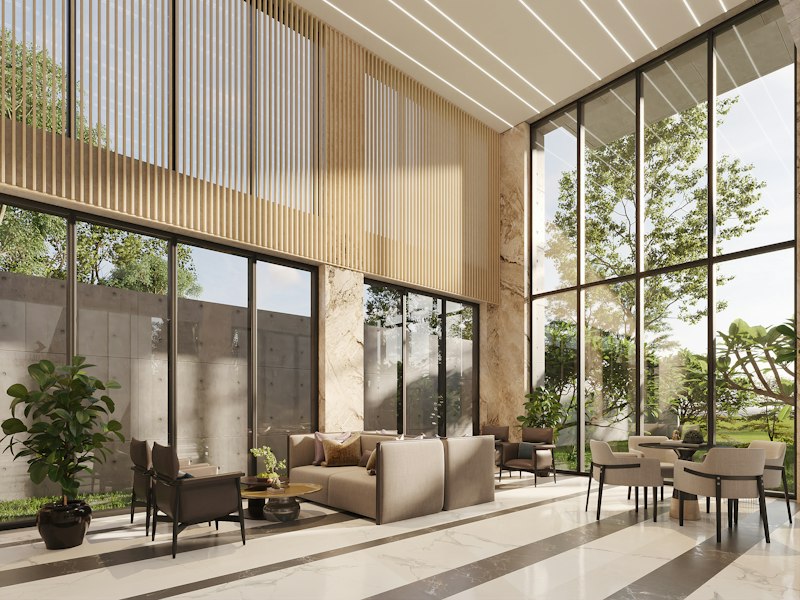
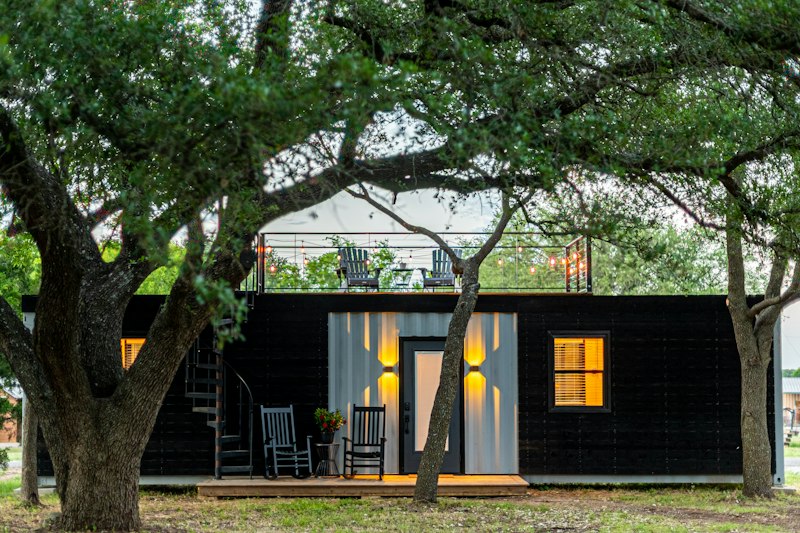
Two concepts first. A 'jade home' is a premium home in a core area — excellent location, high-quality finishes, universally desired. A 'cabbage home' is an ordinary peripheral home — unremarkable, budget-friendly. Many assume jade homes are a sure bet. But from a pure investment perspective, the conclusion may be exactly the opposite.
The key is this: evaluating an asset's investment value means looking not at how beautiful the home is, but at how much cash flow it generates and how much appreciation potential it still has.
Why Core Premium Homes Have Low Yields
Jade homes have high prices, but rents don't rise proportionally — so cap rates are typically low. In Seattle, single-family rental cap rates run only about 2–3%, actually below the ~4.2% risk-free yield on 10-year U.S. Treasuries. You're taking on the risk of owning real estate while earning less than bonds — a clear mismatch of risk and reward.
Even more importantly, jade homes are already fully priced by the market, leaving little appreciation elasticity. Because everyone knows they're desirable, they have little explosive upside when markets rise.
Why Cabbage Homes Have More Elasticity
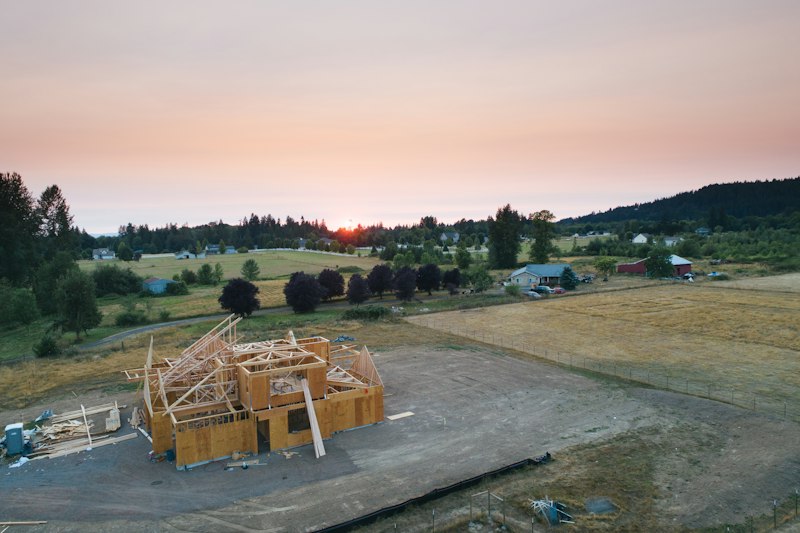
Cabbage homes have lower prices, better cash flow, and higher cap rates. More critically, when a peripheral area takes off due to transportation improvements, policy support, or employment spillover, these undervalued homes have the most appreciation elasticity. This is precisely the story that's played out repeatedly in Newcastle, Shoreline, and Lynnwood: when overflow demand from core areas arrives, the otherwise unremarkable cabbage homes experience catch-up appreciation — sometimes exceeding core-area gains.
Same $1M — Why the Tenfold Difference?
Put the same $1 million into one core-area jade home versus several peripheral cabbage homes. Over a few years, the total return (cash flow + appreciation) can differ several times to tenfold. The jade home contributes slow, already-priced-in appreciation, while several stacked cabbage homes deliver compounding cash flow, principal paydown, and appreciation elasticity — often generating far higher compound returns.
Structural Forces Amplifying the Divergence
Demographic and employment changes further amplify peripheral property elasticity. In 2025, the U.S. recorded its first net negative immigration in 50 years, contracting the blue-collar labor supply. Average wages in construction and manufacturing rose 23.5% and 20.1% respectively versus pre-pandemic levels, boosting peripheral tenants' rent-paying capacity.
Simultaneously, some core-area white-collar households, facing increased employment uncertainty, shifted into the rental market, pushing up rental demand for ordinary peripheral homes. Both forces combined solidify the value support for cabbage-home assets whose cash flow is tied to rents.
Two Different Logics: Primary Residence vs. Investment
Jade homes do have value — in the residential experience: core location, quality school district, mature amenities, and premium finishes provide a higher quality of life. That premium is legitimate. But residential experience is not the same as investment return; they follow completely different logics.
For primary-residence buyers, paying a premium for a desired jade home is entirely reasonable. But for investors, every dollar of premium dilutes the return rate. Conflating these two logics is the most common mistake among Chinese-American buyers — using owner-occupant aesthetics and emotion to make investment decisions, ending up with an asset that looks good but performs poorly.
Summary
Investment returns depend on cash flow and appreciation elasticity — not on how expensive or beautiful a home is. For Seattle Chinese-American investors: pursuing a jade home for personal residence is fine, but if the goal is investment return, undervalued peripheral cabbage homes usually have the edge.
The recommendation: lock in the Seattle metro area, then focus on peripheral neighborhoods with imminent transportation improvements, density-supportive zoning, and clear employment spillover. Build portfolios using cash flow and elasticity — don't put the entire budget into a single core-area home already fully priced by the market.