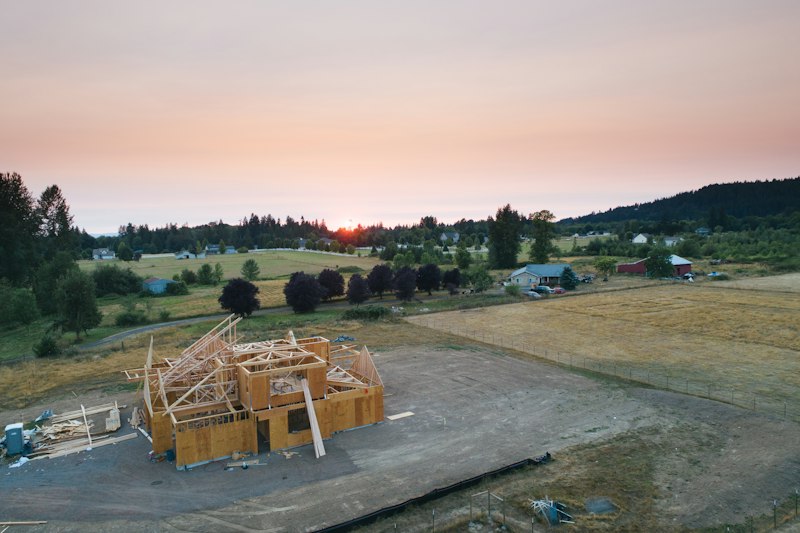
A Seattle investment property gained ~50% in value in 8 months — not by luck, but through a repeatable method: buying right plus forced appreciation. Using a real Woodinville case: purchased in April 2024 for $1.67M, Redfin estimated value reached $2.5M by December — ~$830K appreciation in 8 months, ~50% gain, far outpacing the same period's averages of ~14% for Woodinville, ~1% for Bellevue, and ~5% for greater Seattle.
50% Is Not Luck
Above-market returns never come from passively waiting for prices to rise — they come from actively creating value at purchase and during the hold. The fundamental difference between professional and amateur investors: pros rely on data, amateurs rely on gut. This case worked because professional research, precise negotiation, and forced appreciation all acted together — not one factor accidentally.
Step 1: Buy Right
Investment property profits are largely locked in at the moment of purchase. The key is finding undervalued homes and buying well below market. The property in this case was owned by a doctor who bought it all-cash and converted it to an assisted-living facility under a 5-year lease at $10K/month ($120K/year) — essentially an NNN commercial lease structure. The home was listed in May 2022 at $1.8M, failed to sell as rates rose and prices retreated, then dropped to $1.5M and converted to rental in July. Research determined its true market value was at least $2M; final purchase price was $1.67M — that gap was the safety margin and profit foundation.
Step 2: Forced Appreciation
Passively waiting for market appreciation is too slow. Real experts practice forced appreciation: through targeted improvements — kitchen, bath, exterior, and layout upgrades — raising both property value and rents; or unlocking land development potential, such as building an ADU, using policy tailwinds to create value. The core of forced appreciation: treating the property as an operating business run through strategy and execution, not merely a speculation target.
How Value Is Realized
Investment property valuation often uses the income approach — raising rents lifts income-method valuation; a renovated home also raises market comparable sales (comps). The two together can produce substantial appreciation quickly. This case's cap rate exceeding 5% is exactly the stable rental income supporting valuation. In other words, appreciation didn't materialize from nothing — it was realized through both cash flow and comps.
Data-Driven Forward Research
Another key to this trade: advance market research. The investor tracked Woodinville continuously since 2022, attending government hearings to understand the city's ten-year development plan, projecting early that the city would outperform. Simultaneously using social media channels to find off-market opportunities. This data-driven — not emotion-driven — judgment enabled identifying and locking in a severely undervalued quality asset during the price downturn while others hesitated.
Summary
50% appreciation in 8 months came from buying cheap plus actively creating value — not betting on the market. This is the biggest difference between investment and owner-occupant housing: investing is a business where strategy and execution actively generate returns. For Seattle's Chinese-American investors: invest effort in pre-purchase research and negotiation; prioritize finding undervalued homes where sellers are motivated or information is opaque; during the hold period, actively raise rents and valuations through improvements or additions. Rather than waiting for broad market appreciation, use professional skill to create your own alpha.