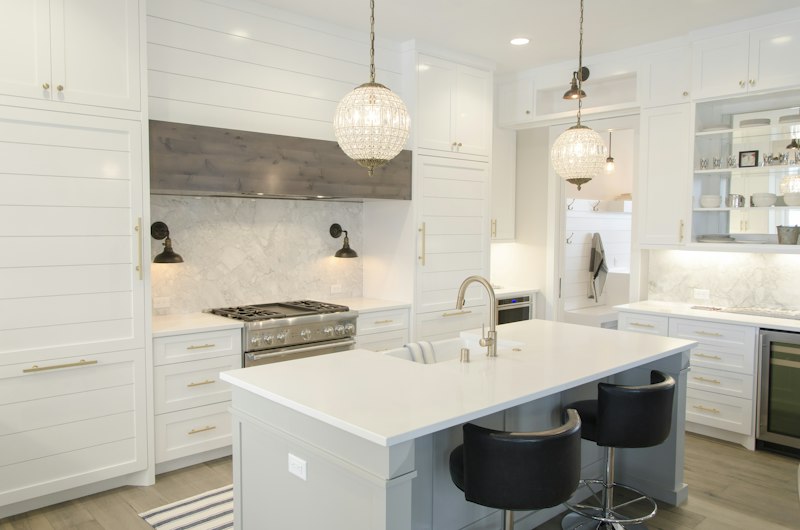
The decision to sell now or wait for next spring depends not on blindly trusting that 'spring always sells better,' but on whether your home is a 'peach' or a 'rotten tomato.' Quality homes should list in the off-season scarcity window; ordinary homes should wait for peak season to ride price momentum. And you must calculate carrying costs, tax timelines, and competitive landscape.
'Spring Is Better' Doesn't Always Hold
Many sellers default to 'spring sells better.' But this depends on home type. The conventional wisdom is that winter prices are lower — yet the reality is that most winter-traded homes are themselves ordinary or below-average properties. Even a 'rotten tomato' in summer won't fetch a premium. The occasional quality 'peach' that sells in winter achieves comparable prices to spring and summer.
Rates and seasons are just one factor. The underlying drivers are supply and demand.
Peaches vs. Rotten Tomatoes
A 'peach' is a home with a sensible floor plan, updated finishes, flat usable lot, no major defects — or even standout features. A 'rotten tomato' is average or comes with drawbacks (noise from a nearby arterial, awkward layout, etc.).
If your home is a peach, listing off-season is actually more valuable: the market has few quality competing homes, almost no direct rivals, and you can achieve prices equal to or exceeding peak season. Waiting until spring means competing alongside many other quality homes — your advantage dilutes.
Conversely, rotten tomatoes should wait for the March–June peak season, riding the price lift that nearby peaches create. This is counter-intuitive but critical: the optimal listing timing for quality and ordinary homes is opposite — quality homes avoid competition (off-season); ordinary homes leverage the rising tide (peak season).
| Home Type | Characteristics | Optimal List Time |
|---|---|---|
| Peach | Good layout, updated, standout features | Off-season / January |
| Rotten tomato | Average or has drawbacks | March–June peak season |
The Overlooked January Window
January is often a golden window for peaches. Buyers and sellers both make New Year resolutions to buy, but buyers need only click to get a pre-approval and schedule viewings — sellers need to clear out, repair, stage, and photograph, requiring at least two months of prep. The result: January and February see surging buyer numbers while seller supply stays flat. Quality peaches listed then get the strongest buyer motivation with the fewest competitors.
Don't Ignore Carrying Costs
Waiting is not free. Each additional month of holding means property taxes, insurance, mortgage interest, and maintenance — these must be weighed against any price improvement from waiting.
| Carrying Cost Item | Notes |
|---|---|
| Property tax | ~1% annually in WA |
| Mortgage interest | Significant at today's high rates |
| Insurance | Ongoing |
| Maintenance | Lawn, cleaning, repairs |
When inventory is rising, waiting also means facing fiercer competition later. Many sellers focus only on 'maybe I'll get a bit more by waiting,' ignoring the carrying costs flowing out during the wait plus the heightened competition that erodes their pricing power — factoring both in, 'waiting' often has a negative net return.
The Tax Timeline Is Critical
U.S. tax law provides an important benefit for primary homes: if you've lived in the home for 2 of the last 5 years, up to $500,000 (married filing jointly) of gain is tax-free. Managing this timeline matters enormously.
A seller who rented the property for 3 years, with the tenant slow to vacate, combined with ~2 months from listing to closing, nearly missed the primary residence exclusion — potentially owing an extra ~$100,000 in capital gains tax. Additionally, a vacant home may not be covered for water or fire damage unless you specifically purchase a Vacant Rider endorsement.
Summary
Timing your sale doesn't have one universal answer, but 'waiting for spring' is never the right starting question. For Seattle sellers with a peach, don't wait for spring — the off-season to January window avoids competition and achieves premium pricing. For ordinary properties, wait for peak season.
In any case, proactively plan your primary residence tax timeline and buy the appropriate vacant insurance — these often matter more to your net proceeds than the season itself. Replace the vague impulse to 'wait for next spring' with specific calculations on home type, competitive landscape, carrying costs, and tax timeline. That is the decision-making approach of a mature seller.