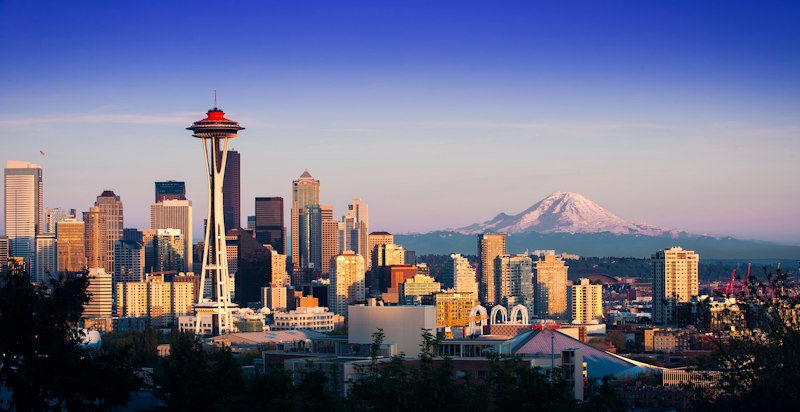
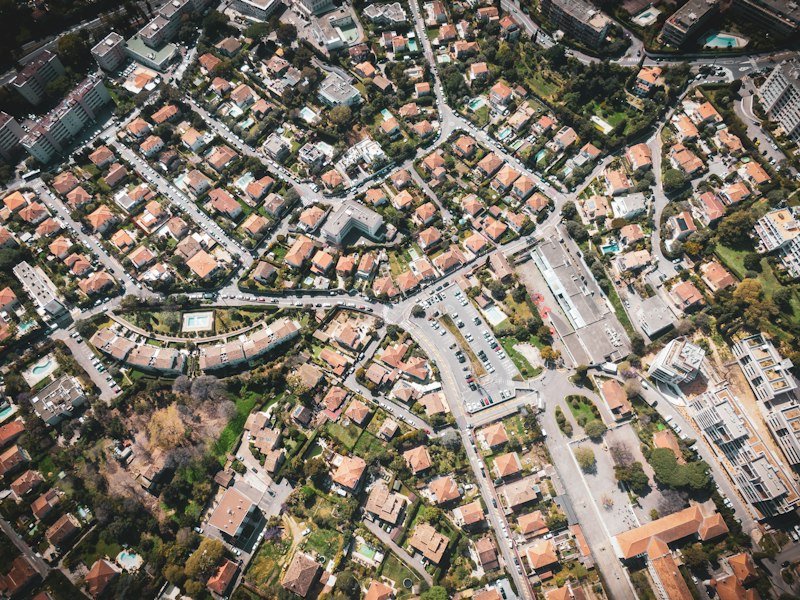
Shoreline is poised to be Seattle's biggest dark horse of 2025 — its price growth may even outpace traditional hotspots like Bellevue, Kirkland, and Redmond. This judgment rests on three forces converging: improved transit, policy relaxation, and a price discount — the classic pre-takeoff characteristics of an emerging city.
Why Shoreline Is a Dark Horse
Over the past few years, the Eastside's rapid expansion has spread to surrounding cities, yet Shoreline — geographically adjacent to the Eastside frontier — has persistently lagged. Three reasons it was overlooked: its association with Seattle's reputation, slow local job growth suppressing demand, and new immigrants' limited awareness of it. That picture is changing now, with transit, policy, and price all simultaneously in its favor.
Transit: Light Rail Changes Accessibility
Sound Transit's northward light-rail extension dramatically shortens Shoreline's commute time to Seattle's core and major tech companies. Improved transit accessibility is one of the most reliable long-term price drivers in real estate. History repeatedly shows that a new rail line catalyzes significant appreciation around its station areas. Shoreline also has direct freeway access to Seattle plus independent alternative routes — greater commute flexibility than most Eastside cities.
Policy: Station-Area Upzoning and Lot-Split Dividends
Around its light-rail stations, Shoreline has been upzoned to allow higher-density development — lots previously restricted to single-family homes may soon permit multi-unit construction, repricing the highest and best use of the land. More importantly, Shoreline's major development began in the 1950s; early deed records carry no deed restrictions preventing lot splits, enabling owners to split parcels, add accessory dwelling units (ADUs), and sell them separately — achieving ~20–30% rapid appreciation. These deed-restriction-free properties are exactly what investors seek and represent Shoreline's distinctive advantage over most Eastside cities.
Two External Tailwinds: Amazon RTO and Highway Repairs
Two external changes further strengthen Shoreline's appeal. First, Amazon's five-day-a-week return-to-office mandate: employees with families who are reluctant to move from Eastside large homes into Seattle's older, smaller units see Shoreline — abundant single-family homes, convenient commute — as the ideal compromise. Second, a major highway connecting the Eastside to Seattle will undergo ~3–5 years of repairs covering ~8 miles of roadway, likely worsening congestion and pushing Eastside commutes from ~50 minutes to ~1.5 hours. Shoreline's multiple independent routes make its commute advantage stand out.
The Eastside Spillover Logic
Shoreline's opportunity also fits into the Eastside expansion spillover pattern. Over the past few years, price appreciation has rippled outward from the core: first core cities, then Kenmore and Lake Forest Park, recently Brier leading gains. This inside-out rotation follows the metro price overflow effect. By this rhythm, Shoreline — geographically closer to Seattle but long undervalued — is likely the next city absorbed into the Eastside orbit, catching up on prior appreciation.
Price: Relatively Affordable Entry
Compared to Seattle's core and the Eastside, Shoreline prices are more affordable. For budget-conscious buyers valuing long-term growth, it combines livability with land appreciation upside. After outer cities have taken turns catching up, Shoreline's price discount gives it clear value-for-money advantages.
Summary
Transit first, policy loosening, price discount — these three converging factors are the classic pre-takeoff characteristics of a city. For Seattle's Chinese-American buyers and investors, Shoreline deserves priority attention: owner-occupant buyers should enter early to capture the affordability and commute window; investors should prioritize deed-restriction-free early homes to unlock lot-split and ADU appreciation potential. Over the next 3–5 years, Shoreline has a high probability of catching up and even outpacing appreciation.