
Tariffs' impact on U.S. real estate far exceeds the surface-level story of rising construction costs. Transmitted through three chains — building material costs, inflation expectations, and interest rates — and compounded by immigration tightening, stock market wealth effects, and rising living costs, tariffs are creating sharply divergent regional impacts. The tight-inventory West Coast and Northeast are relatively resilient; the oversupplied South is clearly under pressure.
Three Transmission Chains
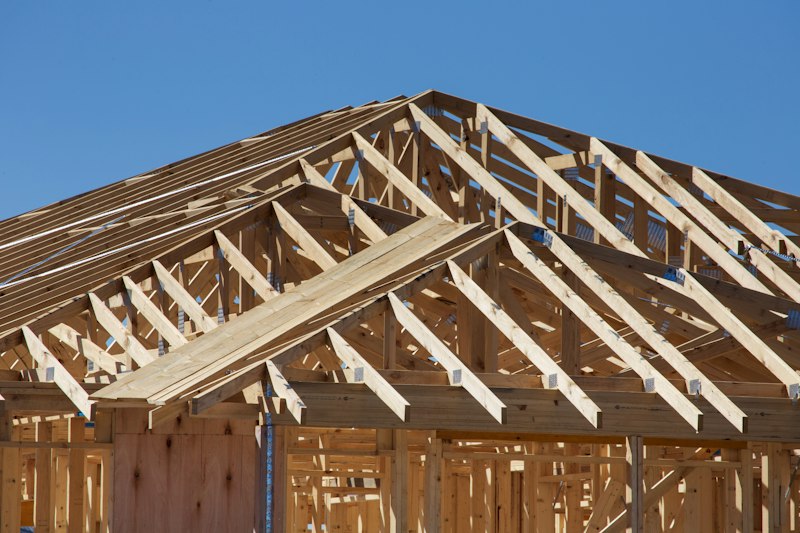
Chain 1 — Building Material Costs: Tariffs on imported steel, lumber, and other materials directly raise new-home hard costs. Projects with thin margins are stalling.
Chain 2 — Inflation Expectations: Broad material cost increases raise overall inflation expectations, keeping long-term Treasury yields elevated.
Chain 3 — Interest Rates: High long-end yields prevent mortgage rates from falling, suppressing purchasing power. The Fed-vs.-White-House standoff delays needed rate cuts. These three chains reinforce each other, making tariffs' impact far more complex than just 'materials cost more.'
| Chain | Mechanism | Result |
|---|---|---|
| Material costs | Tariffs on imported steel + lumber | New-home costs rise, projects stall |
| Inflation expectations | Broad material increases | Long-term rates stay elevated |
| Interest rates | Long-end high + delayed cuts | Purchasing power suppressed |
Supply and Demand Contract Simultaneously
Tariffs compress both new-home supply and purchasing power simultaneously. When both sides contract, prices are trapped in between — unable to crash significantly or surge significantly. This is the root of today's gridlocked market. Transaction volume shrinks and the market goes quiet, but prices won't fall. Understanding this dynamic prevents the simplistic expectation that 'tariffs will crash prices.'
Immigration Tightening: Premium Homes' Hidden Fragility
The primary buyers of high-priced homes in Seattle, the Bay Area, and New York are Chinese and Indian tech immigrants — precisely the groups most targeted by current policy. Recent reports of green card holders being detained at customs have significantly dampened Chinese-American buying motivation. Once this buyer pool steps back or begins selling, premium homes take the first hit. The 'more expensive, more vulnerable' logic: the premium buyer pool is highly concentrated in specific groups currently under policy pressure.
Stock Market Wealth Effect Weakens Purchasing Power
The top 10% of U.S. income earners account for ~49% of total consumption, and they hold heavy equity exposure. Seattle-area Chinese-American mortgage brokers report April loan applications down 40–60% vs. March; U.S.-local brokers serving non-tech clients saw only ~30% declines. Software engineers have large stock-income components; nurses, doctors, and attorneys have more stable income. Result: good-neighborhood premium homes take the biggest hit; ordinary-neighborhood entry-level homes are more resilient.
Living Costs and Regional Divergence
Major retailers broadly cannot pass tariff costs fully to suppliers — everyday expenses are rising. In a high-rate environment, rising prices bite harder, compressing housing budgets further.
Critically, the U.S. housing market is not unified. Tight-inventory West Coast and Northeast markets are relatively resilient — sellers have leverage. Oversupplied South (Texas, Florida, Arizona) markets are clearly under pressure — buyers have leverage. The same tariff shock plays out completely differently by region.
| Region | Inventory | Performance Under Tariffs |
|---|---|---|
| West Coast, Northeast | Tight | Relatively resilient |
| South (TX, FL, AZ) | Oversupplied | Clearly under pressure |
Policy Implementation: The Underestimated Variable
Actual implementation timing is often more decisive than specific tariff rates. From announcement to negotiation, exemptions, and actual price transmission, the lag can be months or more. Being moved by headlines to rush into transactions risks getting caught on the wrong side of policy reversals. Track the pace of actual realization, not headline emotions.
Summary
For Seattle's Chinese-American investors: don't react emotionally to tariff shocks. Anchor to two variables — the actual pace of policy implementation and your area's inventory structure. These truly determine how hard the impact lands for you.
For long-held premium property investors: don't try to capture the last gains. Price reasonably and capture the liquidity window rather than waiting indefinitely. For entry-level buyers, Seattle's tight-inventory core is more resilient — enter at a reasonable price. Whoever anchors decisions to fundamentals of supply, demand, and value, rather than headline emotions, will maintain the initiative in this gridlocked tariff-rate environment.