
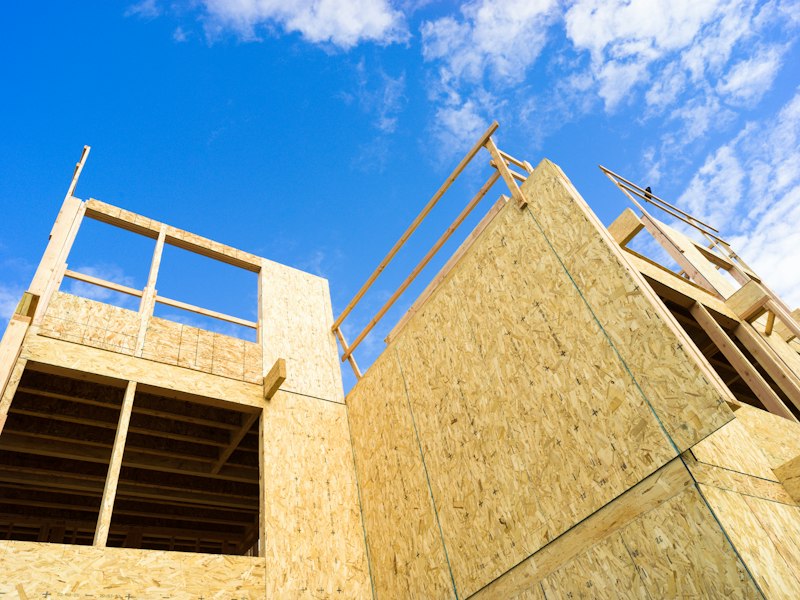
The Trump administration's tariff push will directly raise construction and renovation costs by increasing the price of imported building materials, appliances, and furniture — and indirectly keep mortgage rates elevated by reinforcing inflation expectations. For those buying, building, or renovating, this creates a double squeeze of costs and rates; for existing owners with no transaction plans, the direct impact is relatively mild.
Tariffs Affect Far More Than Steel and Lumber
The market often links tariffs to basic materials like steel and lumber, but the impact is far broader. Large volumes of imported appliances, furniture, hardware, and renovation products are also on the tariff lists. For Seattle-area families buying, building, or renovating, these are real cost increases that flow directly into final budgets.
U.S. residential construction has long relied on Canadian softwood lumber and imported components from multiple countries. Tariff-driven price increases typically cascade through supply chains, ultimately landing on buyers. From structural lumber and roofing materials to kitchen appliances and bathroom fixtures, imported components appear everywhere — so tariffs' impact is comprehensive and cumulative, not limited to one or two materials.
Cost Path 1: Construction Costs
Imported material price increases raise new-home hard costs. Developers facing cost pressure typically have two options: raise prices, passing costs to buyers, or slow starts and reduce supply. Either way, new housing supply faces pressure and prices become sticky upward.
This is especially acute for the Greater Seattle area, which has long suffered supply constraints — any cost shock translates more easily into price pressure. In supply-abundant markets, cost increases may be absorbed by competition; in supply-constrained markets like Seattle, developers have more leverage to pass costs to buyers or reduce supply.
Cost Path 2: Renovation Costs
Appliances, furniture, cabinets, and hardware price increases mean renovation budgets must rise — whether for personal improvements or pre-sale staging. For investors using a buy-renovate-sell strategy, this directly compresses the renovation profit margin.
A previously budget-controlled kitchen-and-bath renovation may significantly overshoot budget due to imported appliance and material price increases, impacting the entire project's return calculation. The renovation cost increases require investors to build adequate contingency into project return estimates.
| Cost Path | Who It Affects | Result |
|---|---|---|
| Construction costs | Developers, new-home buyers | Price increases or supply cuts |
| Renovation costs | Personal upgrades, investment flips | Budget increases, profit compression |
| Rates (via inflation) | All leveraged buyers | Financing costs stay elevated |
How Tariffs Affect Rates via Inflation
Tariffs broadly lift imported goods prices, reinforcing inflation expectations. Once expectations remain elevated, long-end Treasury yields can't easily decline — and 30-year mortgage rates are priced off long-end Treasuries.
So tariffs don't just raise visible construction and renovation costs; they also indirectly raise financing costs through the rate channel, creating a double squeeze on buyers. The 'tariffs → inflation expectations → long-term rates → mortgage rates' chain is the most hidden — and most persistent — tariff impact on housing.
Summary
Tariffs affect real estate along three tracks: construction costs, renovation costs, and rates — overall tilting toward raising the total cost of buying and owning. For Seattle's Chinese-American buyers and investors, actively build in a cost-escalation buffer when budgeting; prioritize locking in materials and construction quotes; treat elevated rates as the baseline assumption for financing.
For existing owners without near-term transaction plans, don't make rushed decisions based on short-term policy fluctuations — maintaining a long-term hold posture is usually more prudent. Understanding tariffs as a structural variable that raises total costs and acts on rates long-term — not a one-time materials price increase — enables more sound budgeting and financing decisions.