Fall is the critical maintenance window for West Coast homes. The Pacific Northwest — where Seattle sits — brings rainy autumns and cold, wet winters, subjecting drainage, heating, and moisture protection systems to their harshest annual test. Completing these eight low-cost tasks before winter arrives — clearing roof drainage, servicing heating, winterizing irrigation, and maintaining the lawn — effectively prevents costly winter leaks, heating failures, and safety incidents, protecting your home's value.
Task 1: Clean the Gutters
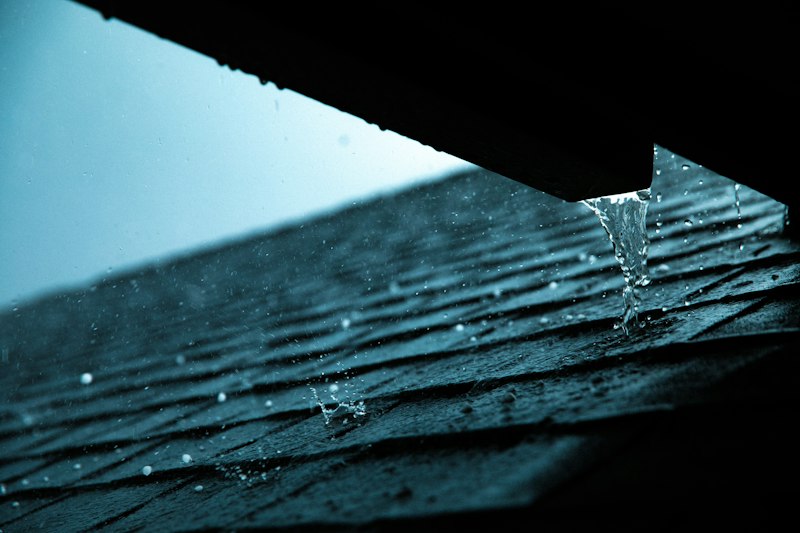
Rainwater flows down rooflines into gutters (the channels around the roof perimeter), then drains via downspouts to storm drains. After a summer of falling leaves and pine needles, gutters clog and must be cleared before fall rains arrive. Otherwise, overflow water pools near the foundation and seeps into basements. A few-hundred-dollar cleaning can prevent basement waterproofing and foundation repair bills that easily reach five figures. In Seattle, gutter cleaning typically runs $300–$500.
Task 2: Service the Heating System
HVAC stands for heating, ventilation, and air conditioning. On the West Coast, summer air conditioning is rarely needed — and the heating side sits idle for months. Before fall temperatures drop, schedule a professional inspection, typically $200–$400 in Seattle. Also replace the air filter: thin filters need monthly replacement; thicker filters last up to 6 months. Replacing the filter noticeably reduces colds and allergies while improving heating efficiency.
Task 3: Winterize the Irrigation System
Once the rainy season arrives, you no longer need to water the garden — the irrigation system can rest. But before winter temperatures drop below freezing, pipes must be winterized (blown out to remove all water and leave them empty). Otherwise, ice expansion can crack pipes. This can be done in winter, but it's significantly cheaper to do in fall — typically $100–$200.
Task 4: Mow the Lawn and Overseed
As fall rains arrive, lawns continue growing from September through November and need mowing every two weeks to stay presentable. More importantly, fall is the best season to overseed — even better than spring. When buying grass seed, distinguish between varieties for sunny and shaded areas; spread evenly over bare patches and let the fall rains do the rest.
Task 5: Test Safety Alarms
Closed windows and doors plus running heating equipment significantly increase carbon monoxide poisoning and fire risks in winter. Before winter, test smoke detectors and carbon monoxide detectors, replace batteries, and replace units that are past their ~10-year lifespan. This is the lowest-cost task on the list — and the one most directly tied to life safety.
Task 6: Store Outdoor Furniture
Cover outdoor furniture that will sit idle through winter to protect against rain, snow, and UV degradation. If you don't have covers yet, purchase them before winter to extend furniture life.
Task 7: Deep Clean the Home
Summer dryness accumulates dust, and the approaching holiday season will leave no time for cleaning. Fall is the ideal moment for a thorough deep clean — improving indoor air quality and preparing the home for holiday guests.
Task 8: Store Vehicles Properly
Clean seasonal vehicles like convertibles and store them in the garage. Connect the battery to a trickle charger to maintain charge over winter. If the garage floor is concrete, place wood boards or thick mats under the tires — tires left directly on cold, hard concrete can prematurely degrade the steel belts within ~2 years, requiring early replacement.
Summary
For West Coast — especially Seattle — homeowners, fall maintenance's core logic is using low-cost prevention to avoid high-cost winter incidents. Complete gutter cleaning, heating inspection, irrigation winterization, lawn maintenance, and safety device checks before winter, and properly store outdoor furniture and vehicles. Individual tasks are modestly priced, but combined they significantly reduce the probability of leaks, heating failures, and safety incidents. For homeowners planning to sell, a well-maintained home with documented upkeep translates directly into real premiums during appraisal and negotiation.