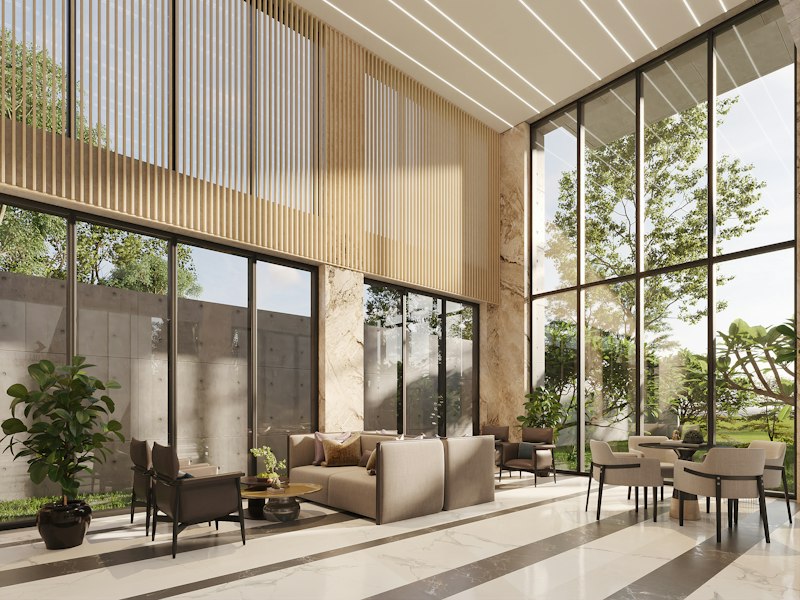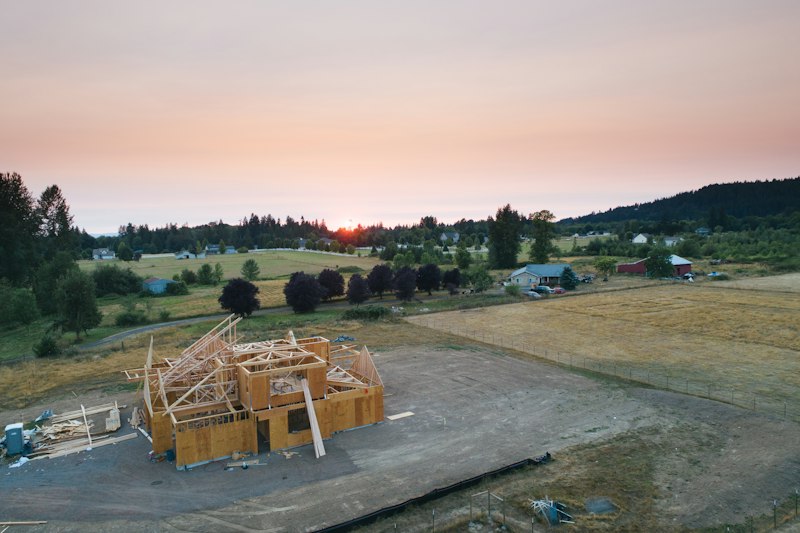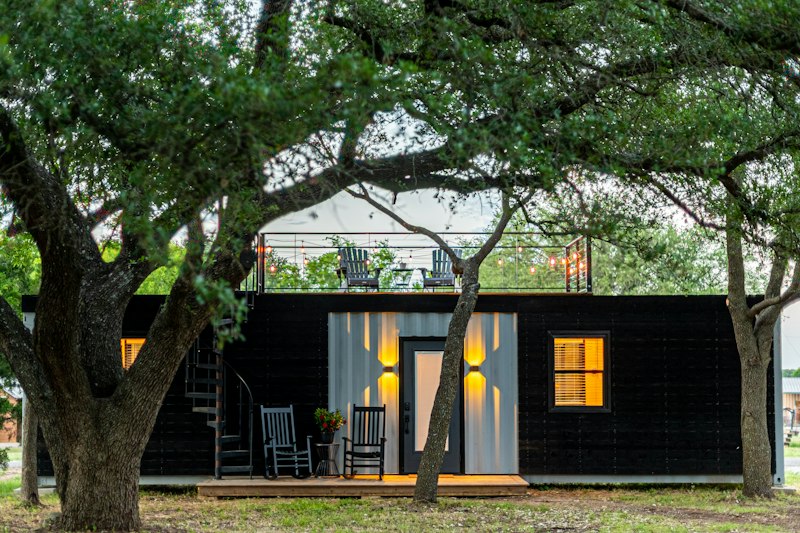
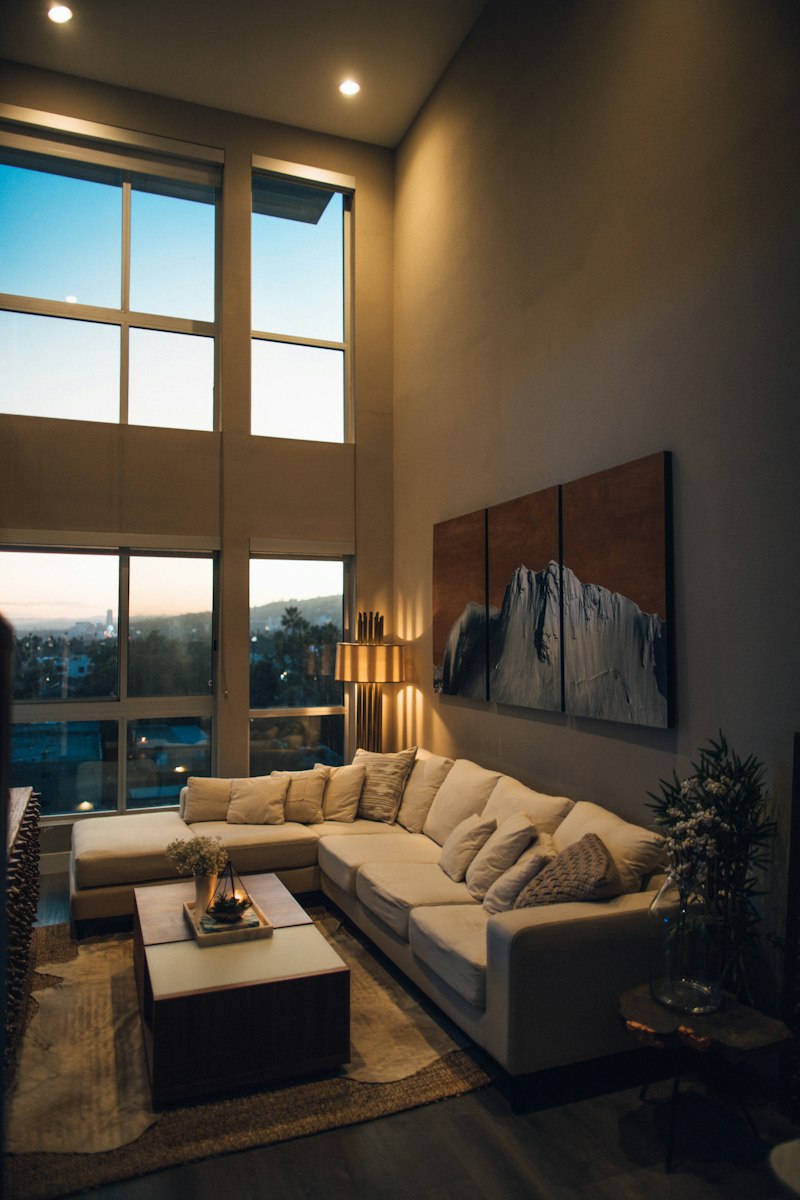
Savvy investors rarely buy big houses because large homes typically yield lower rent-to-price ratios, with poor liquidity, narrow tenant pools, and high maintenance costs. Investing is fundamentally about cash flow and yield, not the size of the house — so professional investors prefer smaller, mid-size units that are easy to rent, easy to sell, and deliver higher yields. In Seattle, Bay Area, and Los Angeles, homes over 3,000 square feet qualify as 'big houses.'
Three Advantages of Big Houses
Big houses aren't without merit. First advantage: lower price per square foot. Due to non-linear square-foot pricing, larger homes have lower unit area prices. In Bellevue: $1.5M buys a 1,500 sq ft home at $1,000/sq ft; $2M buys a 3,000 sq ft home at $666/sq ft. The difference is land value diluting price-per-foot — the small home has $1M in land and $500K in structure; the large home still has $1M in land but $1M in structure. The structure's per-foot cost is actually the same.
Second advantage: suitable for multigenerational living. Chinese-American families often have grandparents helping with childcare and children supporting aging parents — three generations under one roof need more space. Third: new construction is almost entirely large homes, since larger homes have lower per-unit construction costs. In Seattle, building large homes costs ~$250/sq ft vs. ~$350/sq ft for small homes — bedrooms and living rooms have very low marginal cost, so developers naturally prefer large homes.
Four Investment Flaws of Big Houses
First: slower appreciation. Large homes price above the area median, face a smaller buyer pool, and have lower land-value share. Appreciation primarily comes from land — only land appreciates; structures age and depreciate continuously. The $1.5M Bellevue home has a large land share and appreciates faster; the $2M home has more structure and appreciates slower; Seattle's $10M+ luxury mansions have long trended down in value.
Second: worse rent-to-price ratio. The vast majority of tenants are need-driven. Large home tenants tend to be wealthy — and wealthy people are more likely to buy rather than rent, so large-home rents can't scale proportionately. These tenants also have many demands. Third: 1031 exchange difficulty — high sale price often requires buying at least two smaller properties to satisfy the 'like-kind, equal or greater value' requirement, and locking two replacements in 45 days is extremely difficult. Fourth: increasingly hard to sell.
The Baby Boomer Effect on Big-Home Liquidity
Behind big houses becoming harder to sell: the Baby Boomer retirement wave. 11,200 Americans cross age 65 daily. Freddie Mac estimates Boomers will sell ~10 million homes over the next decade — and they overwhelmingly own large houses. These seniors typically downsize to smaller homes or condos after selling.
This means over the next decade, large-home supply will surge while small-home demand surges — making big houses increasingly harder to sell and small homes increasingly easier. For investors prioritizing liquidity and yield, going heavily into large homes against this demographic trend is not wise.
When Big Houses Are Worth Buying
For families with genuine owner-occupant needs (e.g., two kids plus in-laws), three conditions can strengthen a big home's investment characteristics. First: buy in a neighborhood of all big homes — be the 'mid-tier home in a great neighborhood,' not the 'great house in a bad neighborhood.' Even in Kirkland and Bellevue, many aging, poorly-maintained neighborhoods exist — developer-built or renovated big homes there should be avoided.
Second: buy land-heavy. Bay Area lots are typically ~5,000 sq ft; Seattle ~8,000 sq ft. An ideal big-home lot shouldn't be less than 10,000 sq ft — more land means more redevelopment and renovation upside. Third: look for homes that can build a DADU (detached accessory dwelling unit). After June 2025, nearly all cities in the Seattle area will allow backyard DADUs — but because most properties' title reports have split restrictions, very few can actually build one. A home that can build a DADU that can be separately sold typically yields an extra $300K–$400K, while perfectly addressing the multigenerational-living and privacy needs.
Summary
For Seattle Chinese-American investors, pure pursuit of 'big' is an investment mistake. From cash flow, rent-to-price ratio, liquidity, and demographic structure perspectives, mid-to-small units are comprehensively superior to big houses as investable assets — easier to rent, easier to sell, higher yield, and should be the first choice for pure investment allocation.
If genuine owner-occupant needs require a big house, strictly apply the three conditions — great neighborhood, large lot (10,000+ sq ft), and DADU-eligible — to offset the investment disadvantages and combine owner-occupant utility with appreciation potential. Ultimately, investing is about cash flow and yield, not square footage.