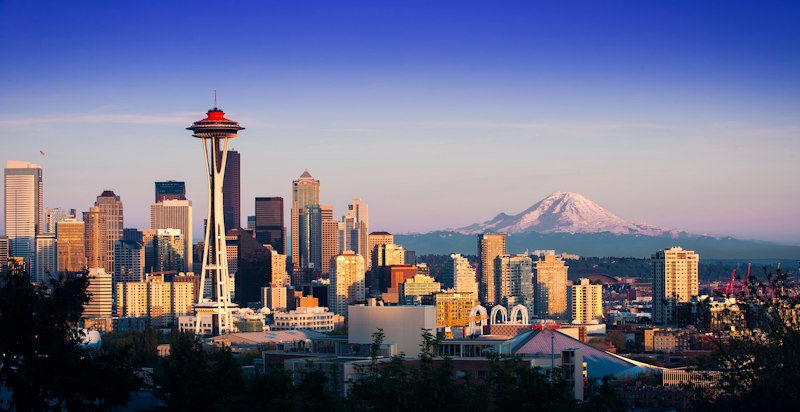
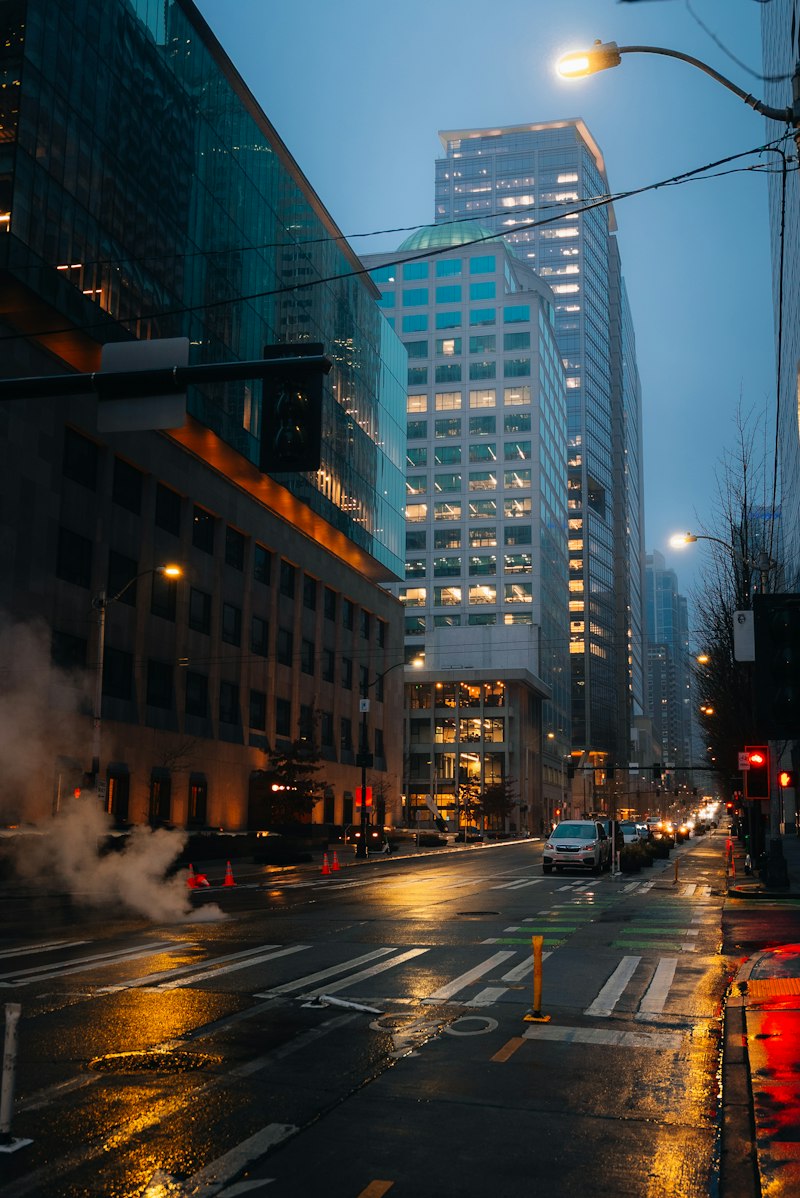
Seattle's reputation for being rainy is a long-standing misconception. By total annual rainfall, Seattle is actually lower than New York, Houston, and Miami. The impression of constant rain comes from having many cloudy days and frequent light drizzle. More importantly, the rain shadow created by the Olympic Mountains means that annual rainfall within the greater Seattle area can differ several-fold by location — choosing the right spot can dramatically improve your sunshine experience.
A Long-Standing Myth
Mention Seattle, and most people's first association is rain. This impression runs deep, even forming the core perception many have of the city. Yet actual weather data punctures that stereotype considerably.
For homebuyers, this misconception is not trivial. It directly affects how people judge the livability of different neighborhoods and often causes buyers to overlook the enormous within-region climate variation inside Seattle, causing them to miss genuinely sunny, high-quality locations. Using a blanket climate impression tends to lead to incorrect elimination decisions.
Annual Rainfall Is Actually Low
By total annual precipitation, Seattle is actually lower than cities popularly known for rain — New York, Houston, Miami. Its rainy reputation comes from frequency of cloud cover and light drizzle: rain isn't heavy, but it's persistent, creating the feeling of perpetual rain.
| City | Annual Rainfall (approx.) | Perceived Reputation |
|---|---|---|
| Seattle | ~950mm | Feels rainy |
| New York | ~1,200mm | Not considered a 'rain city' |
| Houston | ~1,260mm | Not considered a 'rain city' |
| Miami | ~1,570mm | Marketed as a 'sunshine city' |
In other words, Seattle's rain is steady and light — not torrential. Frequent overcast days shape the subjective impression, but by actual precipitation totals, Seattle is not particularly rainy among major U.S. cities.
The Key Concept: Rain Shadow
More important than total rainfall is the geographic phenomenon of the rain shadow (雨影区). The Olympic Mountains to the west block moisture-laden air from the ocean, creating a zone of significantly reduced rainfall on the lee side of the range.
The result: annual rainfall within the greater Seattle metro can vary several-fold by location. Within the same metro area, some communities see persistent rain and overcast, while others enjoy noticeably more sunshine and substantially less precipitation. The rain shadow means Seattle's weather is not uniform — it is highly localized.
How Large Is the Regional Variation?
The regional differences created by the rain shadow are far larger than most people imagine. The table below compares a few representative areas — the contrast in climate experience within greater Seattle is striking.
| Area | Relative Rainfall | Sunshine Experience |
|---|---|---|
| Sequim (rain shadow core) | Extremely low | Ample sunshine |
| San Juan Islands | Low | Noticeably more sunny |
| Seattle downtown | Moderate | More overcast and rainy |
| Mountain side (e.g., East Issaquah) | Higher | More overcast |
Sequim's annual rainfall is less than half of downtown Seattle's — it is called the 'Banana Belt.' This means buyers who dislike rain can, within the same metro area, find dramatically different sunshine experiences simply by choosing the right location.
The Cultural Logic Behind the Myth
It's worth noting that Seattle's rainy image has been partly preserved intentionally by locals. A longstanding saying holds that emphasizing the gloom and discouraging newcomers has helped slow population influx and housing price pressure. Whether true or not, this reflects a fact: 'rainy' is more of a cultural label than a strict meteorological conclusion.
For homebuyers, what matters is seeing through the label and going back to the data. A city's livability should not be defined by a passed-down impression — it should be measured by verifiable annual precipitation, number of sunny days, and regional climate variation. Treating climate as a quantifiable variable rather than an emotional label is how you make a truly rational housing decision.
Cloudy Days Do Not Equal High Rainfall
The key to dispelling the Seattle rain myth is distinguishing 'total annual precipitation' from 'number of cloudy/drizzly days' — two completely different metrics.
| Metric | Seattle | Perceived Impact |
|---|---|---|
| Annual total precipitation | Below most major U.S. cities | Actually not much rain |
| Cloudy/drizzly days | More frequent (light, persistent drizzle) | Creates 'always raining' illusion |
| Frequency of heavy rain | Low | Rarely pours |
| Summer (July–Sept) | Dry and sunny | Widely considered among best U.S. summers |
Many people don't know that Seattle's summer (July through September) is dry, low-rain, and long-daylight — widely considered one of the most pleasant summers in the United States. The 'rainy' impression primarily comes from winter's continuous overcast, not the year's actual precipitation totals.
How Climate Affects Property Value
Climate differences don't just affect livability — they show up in property values. Rain-shadow communities with more sunshine often command a premium for that scarce solar resource.
| Area Characteristic | Climate | Impact on Property |
|---|---|---|
| Rain-shadow community | More sunshine | Sunshine premium |
| San Juan Islands | Dry | Supported by vacation demand |
| Typical urban area | More overcast | No climate premium |
Summary and Recommendations
Don't be misled by 'Seattle is rainy.' Its total annual precipitation is not high, and regional variation is enormous. Understanding the rain shadow and choosing the right location can give you far more sunshine than you'd expect in Seattle.
For buyers planning to purchase in Seattle, treat climate comfort as a substantive selection criterion: prioritize communities in the rain shadow with better sunshine, look up specific annual precipitation and sunny-day data, and don't exclude the entire city based on a vague rainy reputation. Climate is an important component of long-term living experience — choose the right area, and Seattle's weather can be far more pleasant than the stereotype suggests.