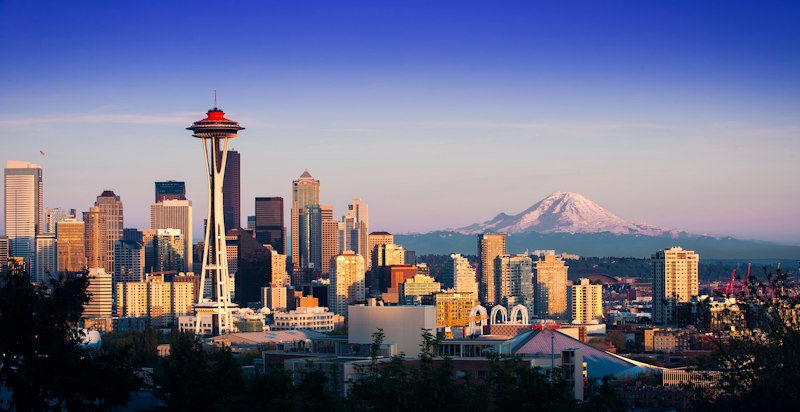
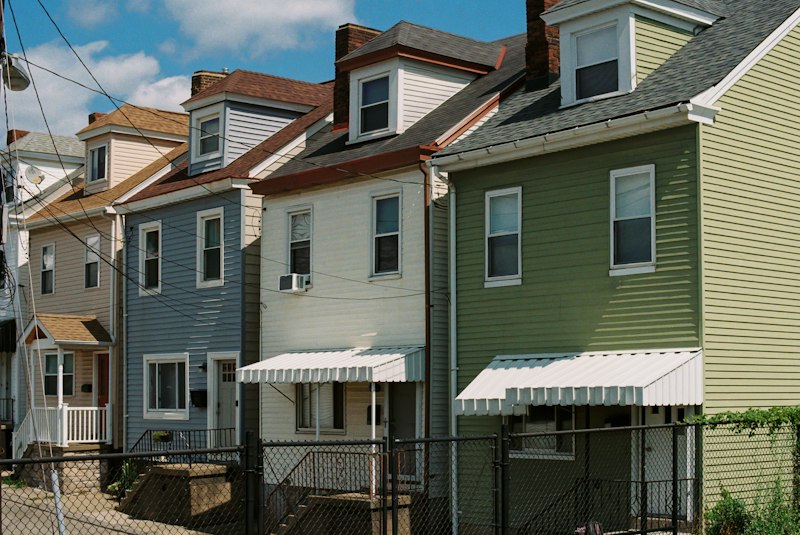
Kirkland's rise was no accident — replicating its appreciation path requires simultaneously meeting four data points: employment spillover, transportation improvement, supply constraints, and net population inflow. Measured against this framework, Woodinville in Seattle's Eastside is the most likely candidate to become the next Kirkland.
Framework: Four Appreciation DNA Markers
To assess whether a city can replicate Kirkland's appreciation, look at four dimensions: (1) job growth, especially tech industry spillover; (2) transportation improvement, with light rail or express highway boosting accessibility; (3) supply constraints — land scarcity combined with policy limits amplifies price elasticity; and (4) net population inflow providing sustained genuine demand. Cities hitting all four are worth positioning in early.
Kirkland's Blueprint: The Dual-Center Plan
Kirkland ten years ago looked nothing like today. In 2015, its downtown surroundings were dominated by auto repair shops with a distinctly industrial feel — the Marina boardwalk wasn't even built until 2017. Kirkland's real rise came from a dual-center urban plan built around I-405, creating the Urban Center and Totem Lake commercial hubs. Totem Lake's transformation from a crime-ridden, drug-trafficker-concentrated area into a modern commercial district was particularly impactful.
Woodinville: Urban Redevelopment and Employment Spillover
Woodinville has completed its Phase 1 transformation — downtown footprint grew ~300% over the past 3 years, with numerous upscale restaurants and wineries establishing. The next phase will develop two major commercial districts: the Harvest District centered on the winery corridor and the Garden District centered on downtown — combined exceeding Kirkland's dual-center total footprint. The Eastside employment core is spilling from Bellevue into Kirkland and Redmond — the most likely next stop is Woodinville.
Transportation: Bottleneck About to Open
Woodinville can reach Kirkland via I-405 and Redmond via SR-202, sitting in position to absorb Eastside tech corridor spillover. The current biggest bottleneck — the railroad bridge on the SR-522 corridor into town — is slated for removal and widening. Once that bottleneck opens, accessibility will improve dramatically, clearing the path for rapid development.
Schools and Land Supply
On schools: Woodinville School District ranks second only to Lake Washington School District — traditionally stronger than Kirkland's north-side 98034 zip code. As Asian families continue relocating, its school ratings are likely to climb further. On supply: Woodinville is comparable in area to Bellevue, but has only ~1/10th the population. About 30% of homes sit on 1-acre lots (one home per acre), compared to neighboring Bothell where an acre can accommodate ~10 homes. Combined with advancing upzoning and large amounts of agricultural land awaiting conversion, Woodinville enjoys the dual dividend of supply constraints releasing and population flowing in.
Population and Employment: The Fundamental Driver of Appreciation
Ultimately, a city's appreciation is driven by employment and population. The Eastside tech industry's continued expansion has brought high-paying jobs and net population inflows to Bellevue, Redmond, and Kirkland — and this force is now spilling outward along transit corridors. Woodinville, with convenient connections to Redmond and Kirkland, is at the forefront of absorbing this spillover. When employment spillover, population inflow, and land release happen simultaneously, both demand and supply sides drive together — maximizing price appreciation elasticity.
Summary
For Seattle Eastside Chinese-American buyers: the methodology for finding the next Kirkland is clear — simultaneously satisfying employment spillover, transportation improvement, supply constraints, and population inflow. Woodinville is firing on all cylinders: urban redevelopment, transportation bottleneck opening, school quality rising, and land releasing. It has substantial outperformance potential. Those with primary-residence or long-term positioning needs should consider entering before the transportation bottleneck opens and upzoning dividends fully materialize — prioritizing larger lots near future commercial hubs and transit nodes.